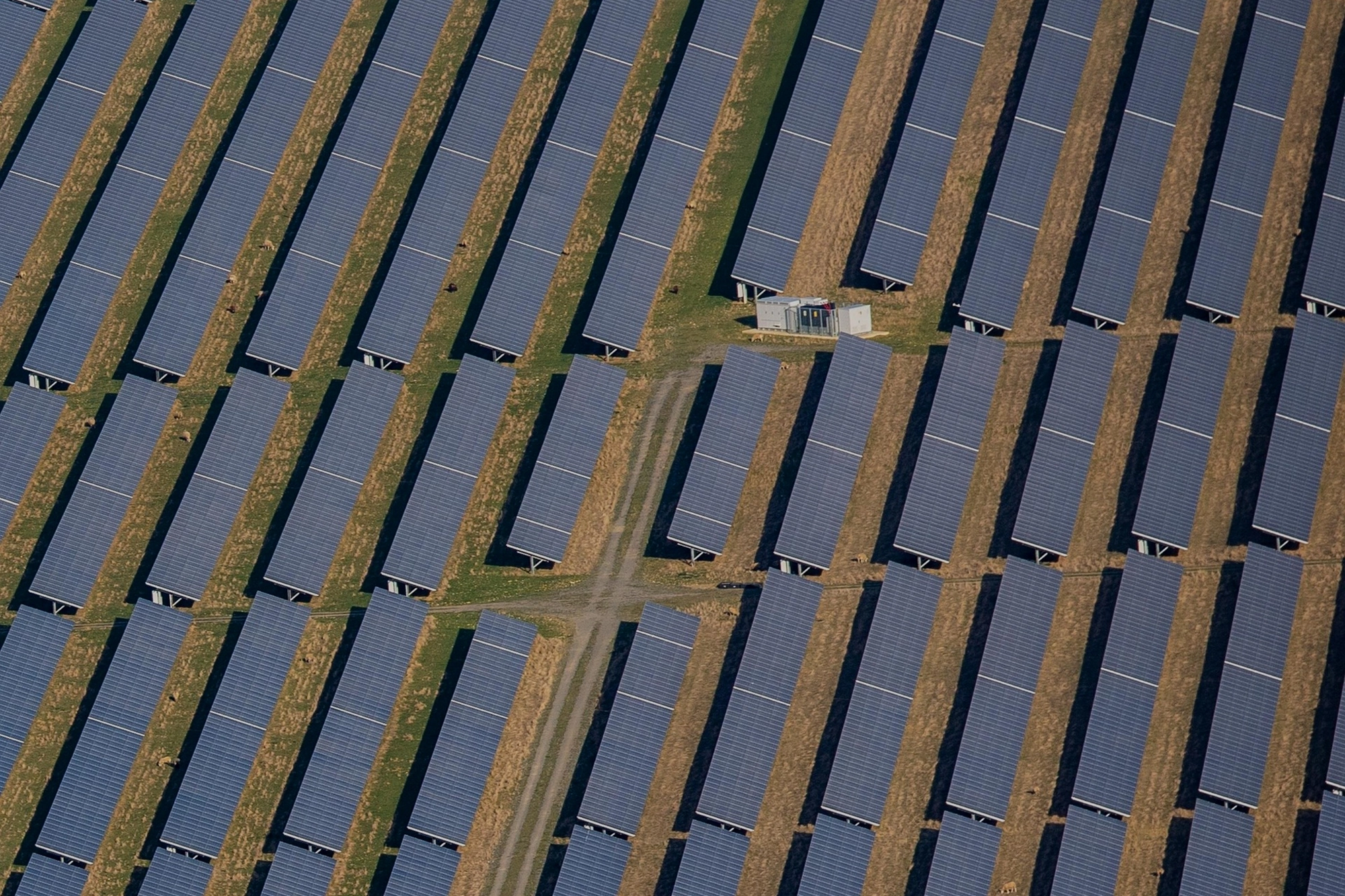
East Azerbaijan, in the north-west of Iran, is a good solar resource with a continental climate: cold winters, clear summers, seasonal dust and real snow load. Equipment sold into or out of this region has to be specified for that, and the engineering differences are worth understanding before you place an order.
Cold raises panel voltage — the sizing trap
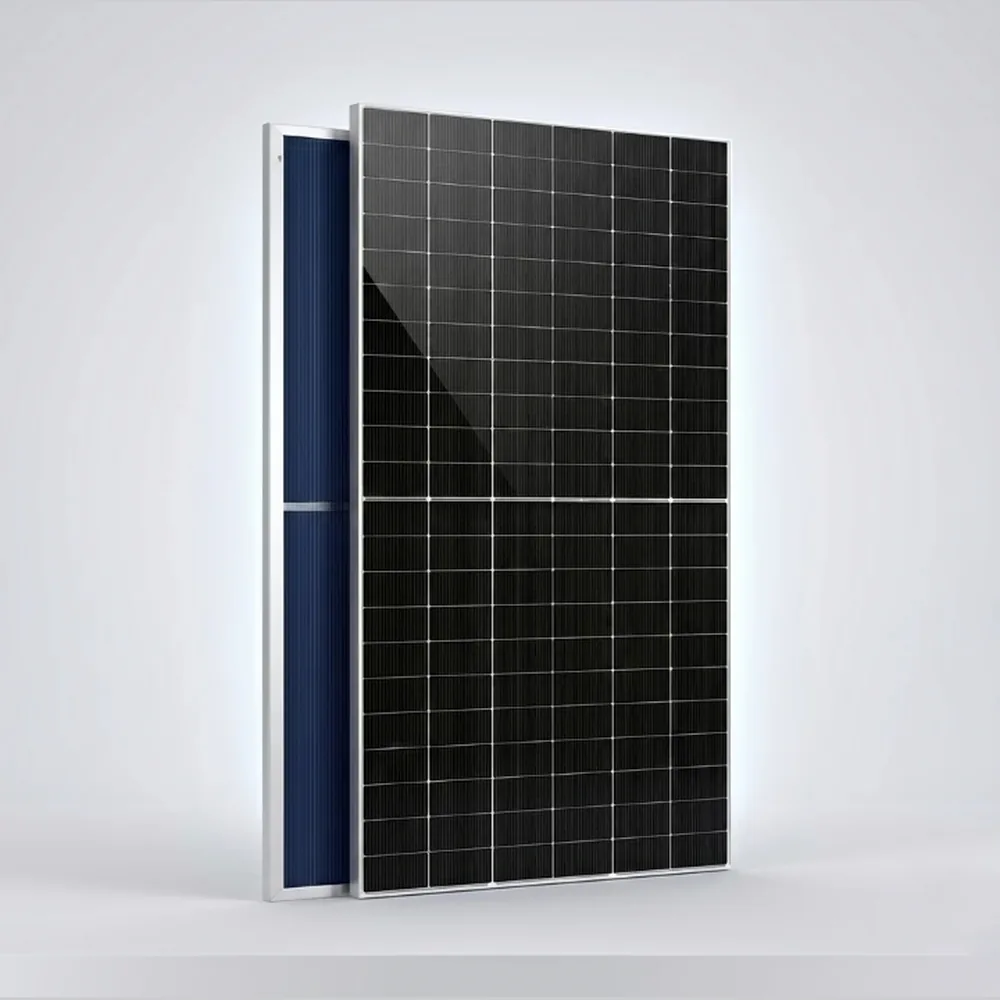
Open-circuit voltage rises as temperature falls. The Voc temperature coefficient of a crystalline module is typically around −0.25 to −0.35 percent per degree Celsius, so on a clear morning at −15 to −20 °C a string can sit roughly 10 to 15 percent above its STC figure; the exact number is on the datasheet. Strings must therefore be sized on the coldest expected site temperature, not on the 25 °C test condition. Otherwise the inverter or charge controller exceeds its maximum DC input voltage precisely on the coldest, brightest mornings.
Snow, tilt and structure
Snow acts twice. Mechanically, snow load has to be carried by module and structure; many commercial modules are certified to around 5400 Pa front load, but only when the clamps sit inside the zones the datasheet defines. Functionally, snow on the glass takes output to zero, and a steeper tilt lets it slide off. At a latitude near 38°N, a tilt close to latitude maximises annual yield, while winter-critical systems often use a steeper angle, in the region of 40 to 50 degrees, which both sheds snow and lifts winter output. The lower edge of the array should stand clear of the roof surface so drifted snow does not pack underneath.
Irradiation across the year
Annual average peak sun hours in the region are roughly 4.5 to 5 hours per day, but the seasonal swing matters more than the average. The figures below are indicative and do not replace site data.
| Season | Daily PSH (indicative) | Design note |
|---|---|---|
| Winter | about 2.5 to 3.5 hours | Critical month; basis for off-grid sizing |
| Spring | about 5 to 6 hours | Pollen season; cleaning matters |
| Summer | about 6 to 7 hours | Peak yield, with thermal derating |
| Autumn | about 3.5 to 4.5 hours | Fast decline into winter |
An off-grid array sized on the annual average will fall short in midwinter; the worst month is the correct design basis. Row spacing on flat roofs also needs to be generous here, because solar noon altitude at the winter solstice at this latitude is only about 28 to 29 degrees and front-row shadows run long.
Batteries in a cold climate
Usable capacity of lead-acid batteries drops noticeably in the cold. With LiFePO4 the more important rule is that charging below 0 °C damages the cells, which is why a standard BMS blocks charging below freezing; discharge is generally still permitted. Battery rooms therefore need to be insulated and kept above freezing, or the cells must have integrated heating. Without that, the system simply will not accept charge on cold winter mornings.
Grid-tied, hybrid or off-grid
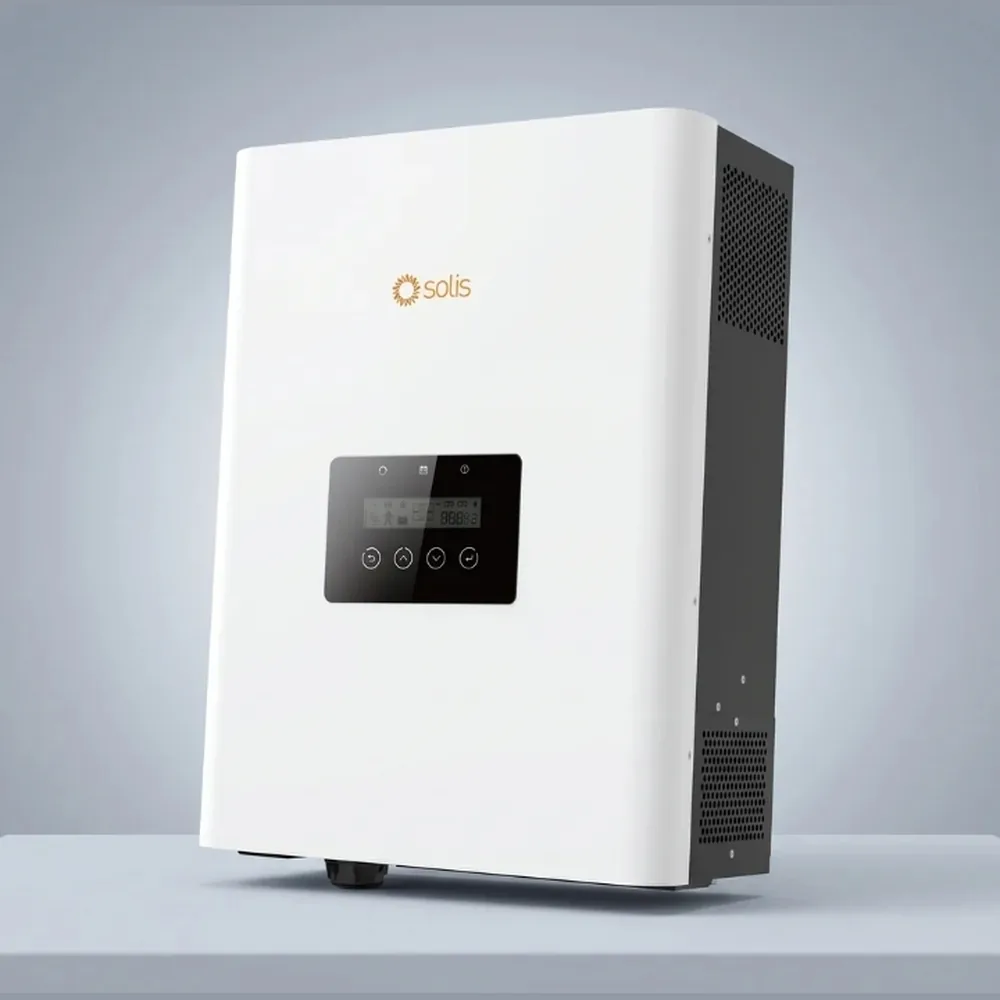
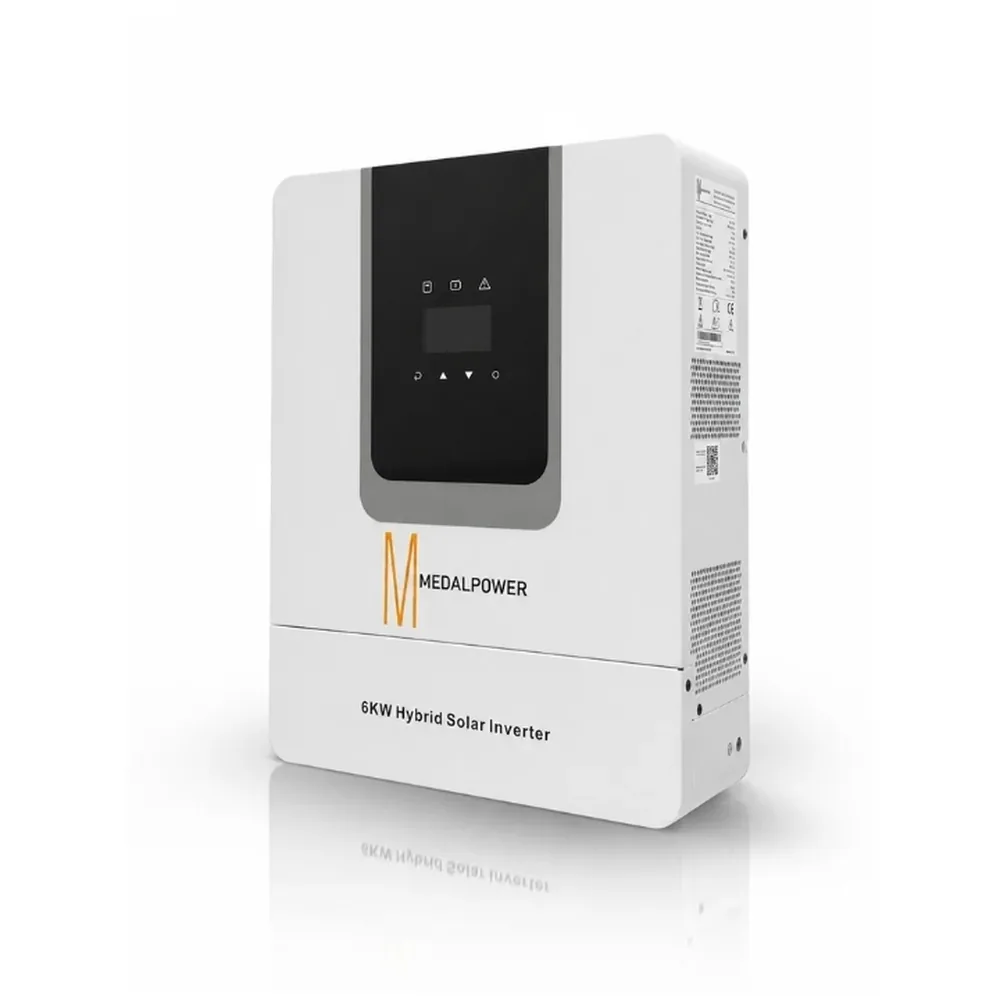
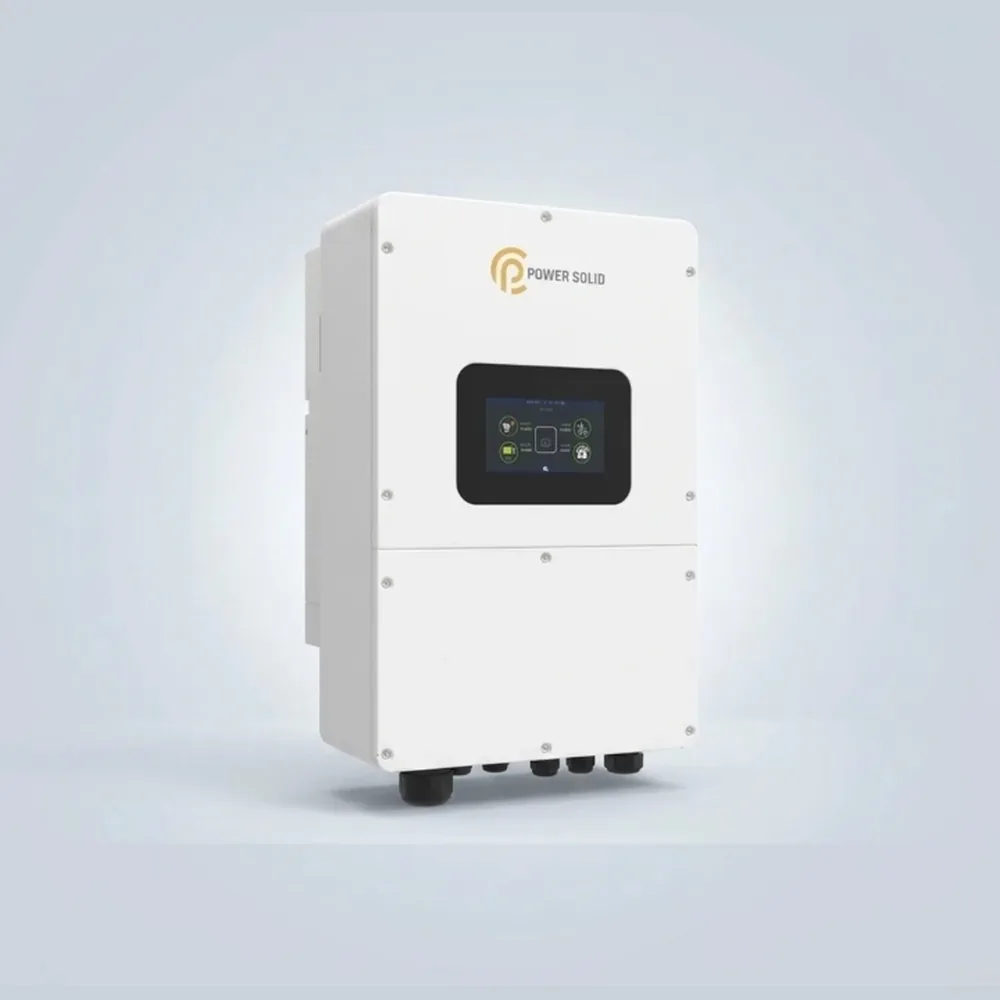
Where a stable grid is available, a grid-tied system is usually the rational choice because it removes the battery, the most expensive and shortest-lived part of an off-grid system. Hybrid systems are the middle path where outage backup matters. Off-grid belongs to genuinely remote loads: agricultural pumping, workshops and livestock units beyond the grid, and telecom sites.
Buying from a supplier in East Azerbaijan
Our office and warehouse are in Sardroud, Tabriz, and the catalogue covers modules, on-grid, off-grid and hybrid inverters, lead-acid, gel and LiFePO4 batteries, MPPT and PWM controllers, mounting structures and complete kits. For export and project enquiries, state quantity, technical specification, delivery terms and schedule through contact us, and see delivered installations under projects. Trade partners are listed under dealers and partners, and applications to join go through the distributor application.
Frequently asked questions
Does cold weather damage solar panels?
No. Cold does not harm the module and slightly improves cell efficiency. The risk is electrical: low temperature raises open-circuit voltage, so a string sized at standard test conditions can push an inverter or charge controller past its maximum DC input. Size strings on the coldest expected site temperature.
What tilt angle suits a cold, snowy region?
A tilt close to the site latitude maximises annual yield, while a steeper angle, roughly 40 to 50 degrees at this latitude, sheds snow better and increases winter output. The right choice depends on whether the system is winter-critical and on the mounting surface.
Can lithium batteries be used where winters are below freezing?
Yes, provided charging is managed. LiFePO4 cells must not be charged below 0 °C, and a standard BMS blocks it; discharge is generally still allowed. Keep the battery in an insulated space above freezing or specify cells with integrated heating.
Related products
All Solar Panels