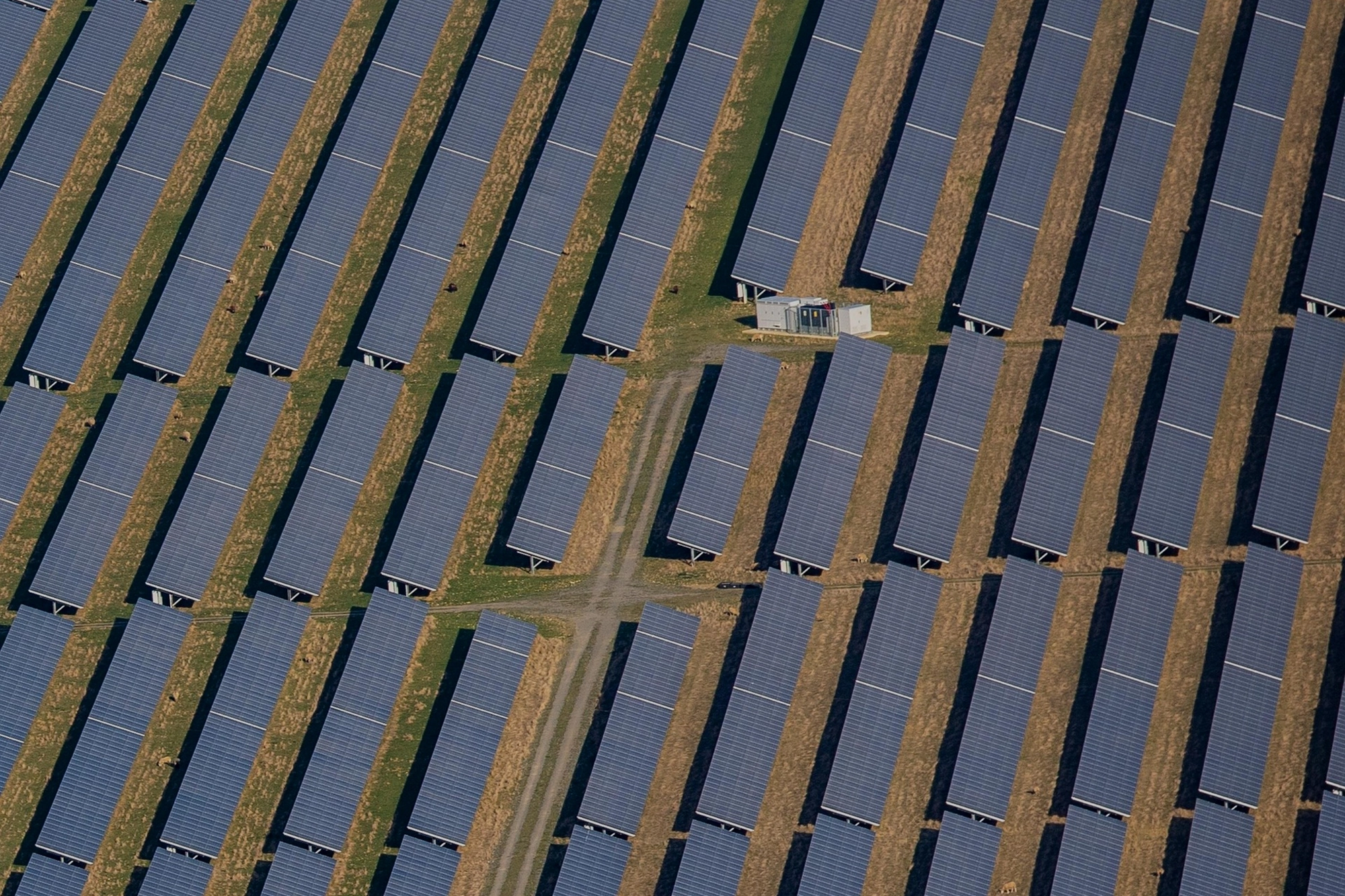
Short answer: given how a photovoltaic module works and what it is made of, there is no known pathway by which an intact, sealed panel on a roof harms anyone below it. A PV module is a passive semiconductor device — it converts light into direct current and transmits nothing. The genuine risks of a solar installation are electrical and mechanical, not radiological.
What a PV module does — and does not do
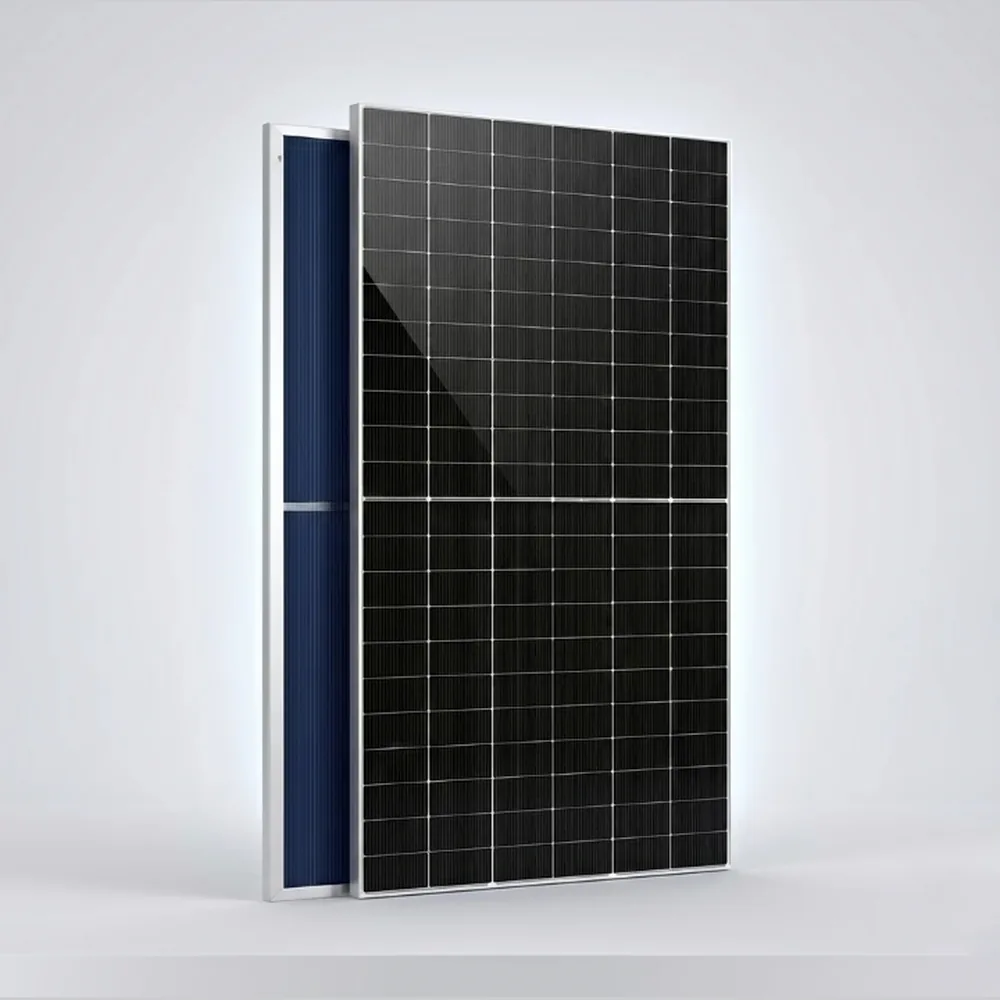
A module is a few dozen silicon cells encapsulated between EVA layers behind tempered glass. Photons displace electrons across the semiconductor junction and a DC potential appears; nothing is generated and broadcast. The difference from an antenna is simple: a router radiates radio waves deliberately, because its job is to carry information, while a panel has no transmitter at all.
Ionising radiation versus non-ionising fields
One word covers two phenomena. Ionising photons carry enough energy to break chemical bonds, including DNA; non-ionising fields do not, and their only established effect is tissue heating at high power.
| Property | Ionising | Non-ionising |
|---|---|---|
| Examples | X-rays, gamma, high-energy UV | Mains fields, radio, Wi-Fi |
| Breaks chemical bonds? | Yes | No, far below threshold |
A PV system contains no ionising source — not the panels, not the inverter, not the batteries. For extremely low frequency magnetic fields, present around any live cable, the IARC applies its Group 2B classification: limited, inconclusive evidence rather than proof, and concerning mains-frequency fields generally rather than solar. No established evidence links rooftop PV to cancer.
Where the field in a PV system comes from
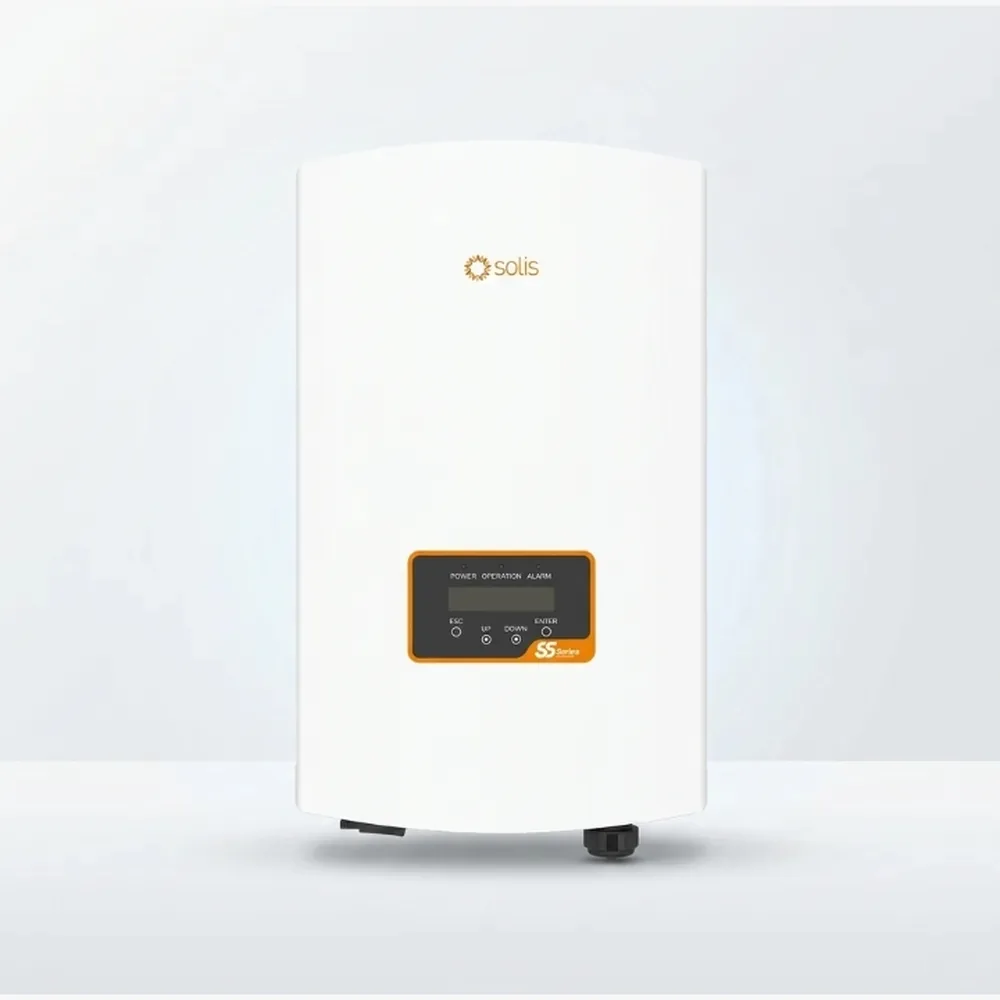
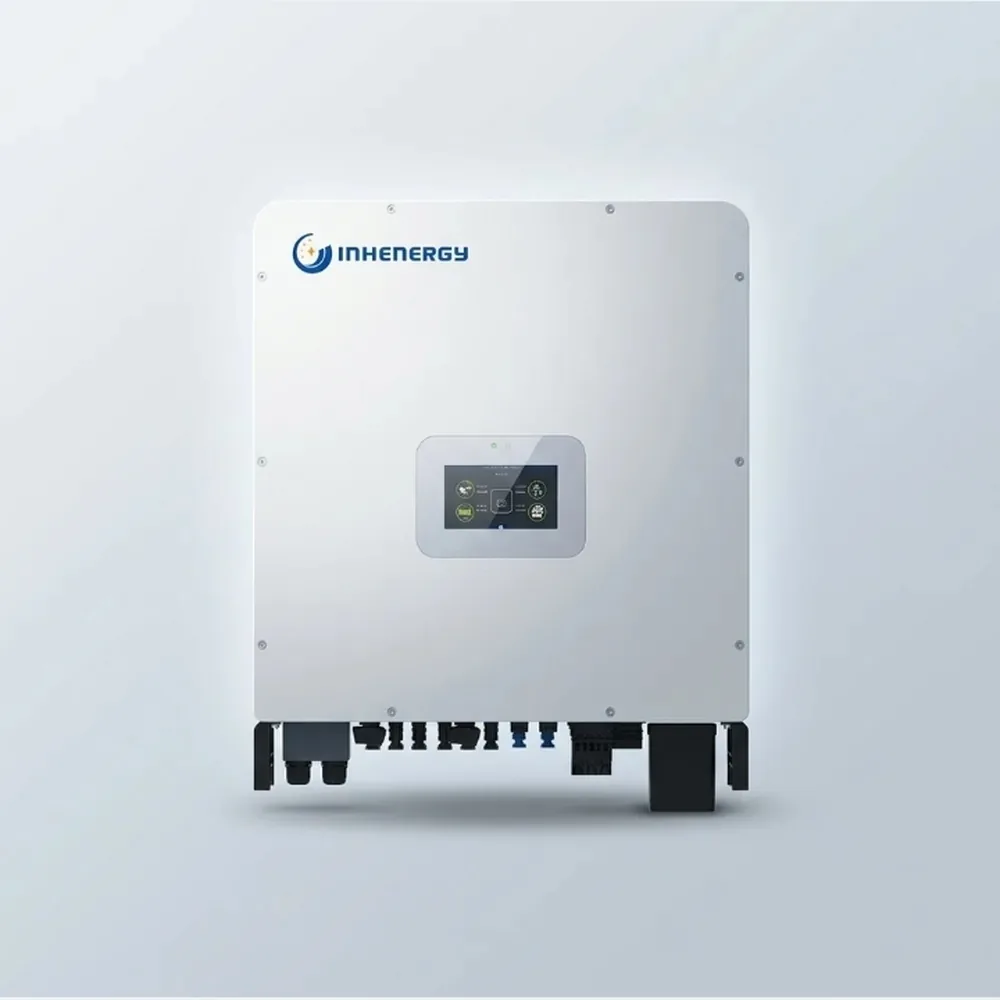
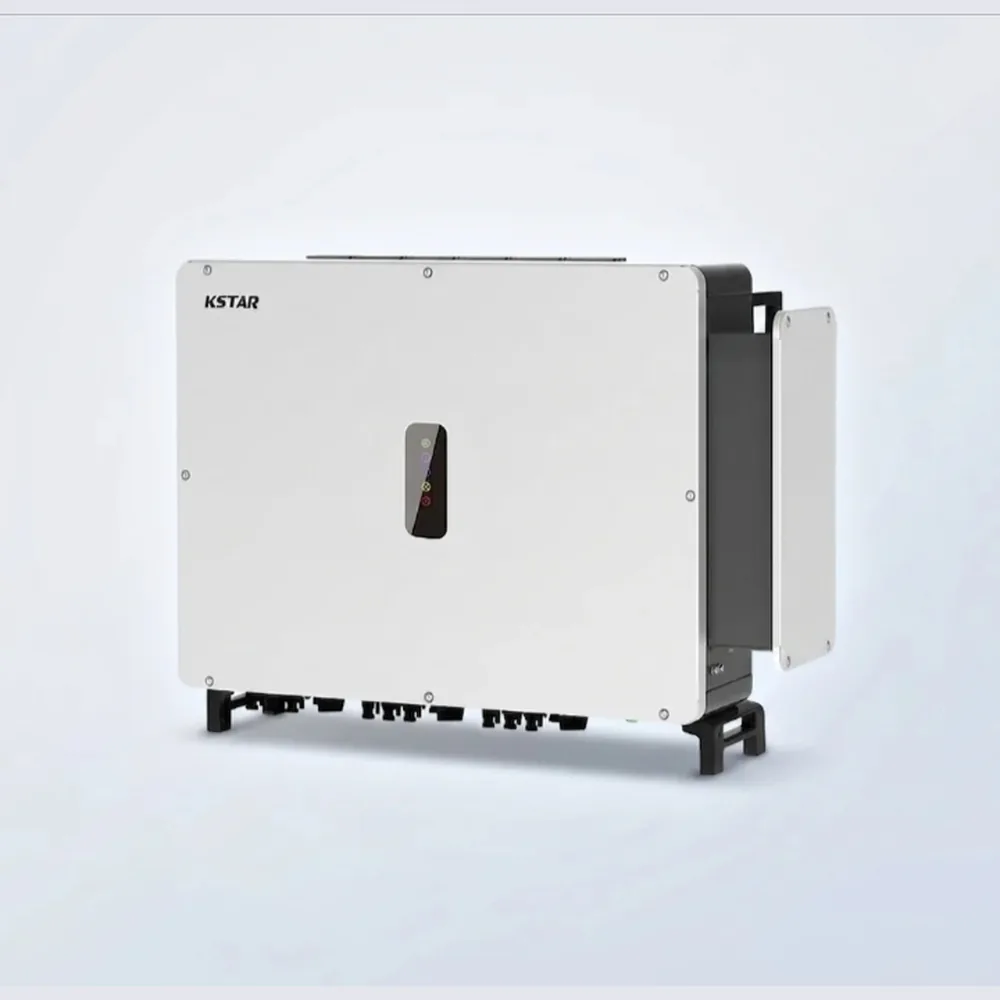
Every current produces a magnetic field, so claiming there is none would be dishonest. Panels and DC strings carry direct current, producing a static field like that of a weak magnet, which induces no current in the body. The inverter is the only point of fast switching, typically a few to a few tens of kilohertz, which is why EMC testing is standard in the certification of any credible inverter; look for that documentation in the datasheet of any solar inverter you consider.
Distance dominates: field strength falls off steeply and approaches background a metre or two away. Do not mount an inverter behind a bed or a desk; a cool, shaded, ventilated space outside occupied rooms is the right place.
Inside a panel, and what happens at end of life
A crystalline silicon module is mostly tempered glass, silicon cells, EVA encapsulant, a backsheet, an aluminium frame, a junction box and copper ribbon with solder coating. In many modules that solder contains a small amount of lead — stated plainly, with two facts beside it: the lead is sealed inside the laminate with no contact path while the module is intact, and the industry has been moving to lead-free solder. Cadmium telluride belongs to thin-film technology, not crystalline silicon.
The real environmental question is end of life. Modules are generally rated for roughly 25 to 30 years with a decline defined by the power warranty, after which glass, aluminium and copper remain recyclable; the obstacle is the economics of separating cell from encapsulant. A broken module left exposed is the case that deserves attention, so damaged panels should go back through the supplier's collection route.
The real risks: electrical and mechanical
A PV string can reach several hundred volts DC, live on the cables in daylight even when the inverter is off, and unlike AC it never crosses zero, so an arc can sustain itself. The root causes are well known: loose or badly crimped MC4 connectors, mixing connectors from different makes, non-solar cable and oxidised terminations. The countermeasures are technical — matched connectors crimped with the correct tool, UV-resistant cable, rated DC fuses and isolators, earthing, surge protection and periodic inspection — and our DC safety guide covers them.
Falls from height and roof loading are the other real risks: dead weight, snow load and above all wind uplift must be engineered. Fires are rare and almost always trace back to a faulty connection, not the module, so the work belongs to a trained installer. Professionals can join through the installer registration form, and buyers can find an approved partner in the dealer network.
Two myths deserve a line each: panels carry anti-reflective coating and reflect less than window glass, and an array shades the roof rather than heating the house.
Frequently asked questions
Do solar panels emit radiation?
No. A panel produces no ionising radiation and contains no transmitter. The only field in the system comes from the inverter and the AC wiring, comparable to household appliances, and it falls off sharply with distance.
Can rooftop solar cause cancer?
There is no established evidence of such a link. Mains-frequency magnetic fields remain a subject of research, but that discussion applies to the wiring of any electrified building rather than to solar specifically.
Do panels contain toxic materials?
A crystalline silicon module is mostly glass, silicon, aluminium, copper and polymer. Many models carry a small amount of lead in the solder alloy, sealed inside the laminate with no exposure path while the module is intact. Cadmium belongs to thin-film technology.
Related products
All Solar Panels